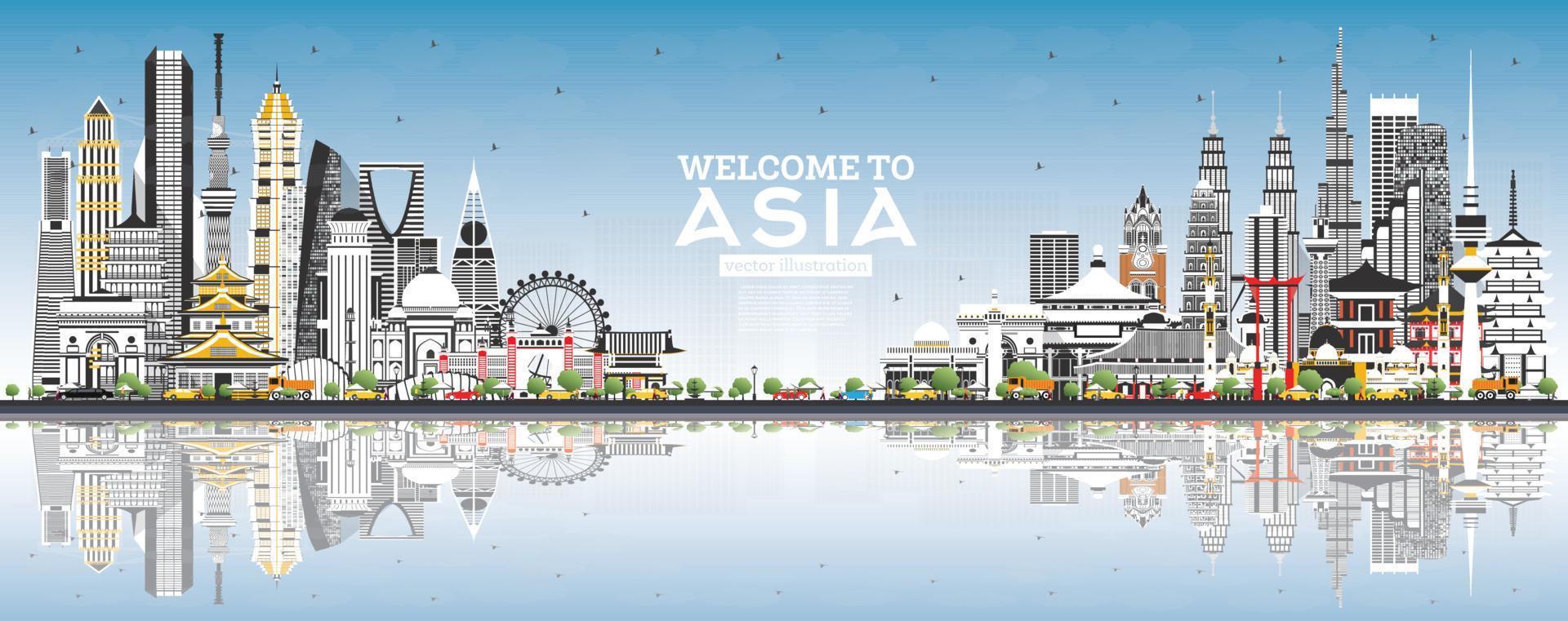
Welcome to Asia, a continent of staggering scale and contrast that houses over 60% of the world's population across its vast and varied terrain. Within this vibrant region, Japan stands as a fascinating archipelago where the world’s oldest hereditary monarchy preserves deep-rooted traditions alongside a culture defined by meticulous precision and a unique blend of Shinto and Buddhist philosophies. South Korea offers a compelling contrast as a mountainous peninsula where roughly 70% of the land is covered by rugged peaks, fostering a resilient and high-energy society that has transitioned from a quiet, historical kingdom into a global leader in cultural exports and technological innovation. Meanwhile, Thailand remains a soulful cornerstone of Southeast Asia, distinguished as the only nation in its subregion never to have been colonized by a European power; it is a land celebrated for its profound spiritual heritage, thousands of ornate temples, and a legendary hospitality. Finally, Taiwan shines as a lush, subtropical island where high-tech urban centers sit nestled between towering mountains and marble gorges, renowned for its democratic spirit, vibrant night-market culture, and its role as a global pioneer in the semiconductor industry. Together, these nations represent the incredible diversity of the Asian experience, bridging the gap between ancient customs and the pulse of the modern world..
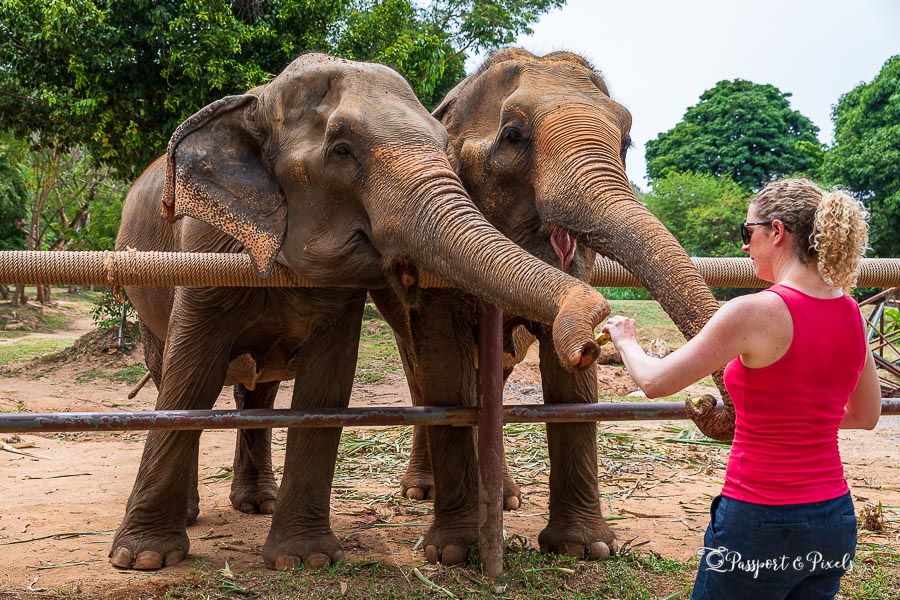
Koh Samui Sancturary, Thailand
This sanctuary is a standout destination because it transforms a standard wildlife viewing into a deeply transformative and educational experience that aligns with modern regenerative travel principles. By choosing to visit, you aren't just a spectator; your entry fee directly funds the high costs of specialized veterinary care, nutritious diets, and the maintenance of vast forested habitats that allow these animals to heal from past trauma. It is an ideal spot for families and eco-conscious travelers who want to connect with nature without exploitation, offering a rare chance to observe complex herd social dynamics and natural behaviors—like mutual grooming and communication—that are rarely seen in traditional tourist camps. Ultimately, it provides a guilt-free way to witness the majesty of elephants while actively supporting a sustainable model that uplifts local communities by providing ethical employment for former logging and trekking workers.
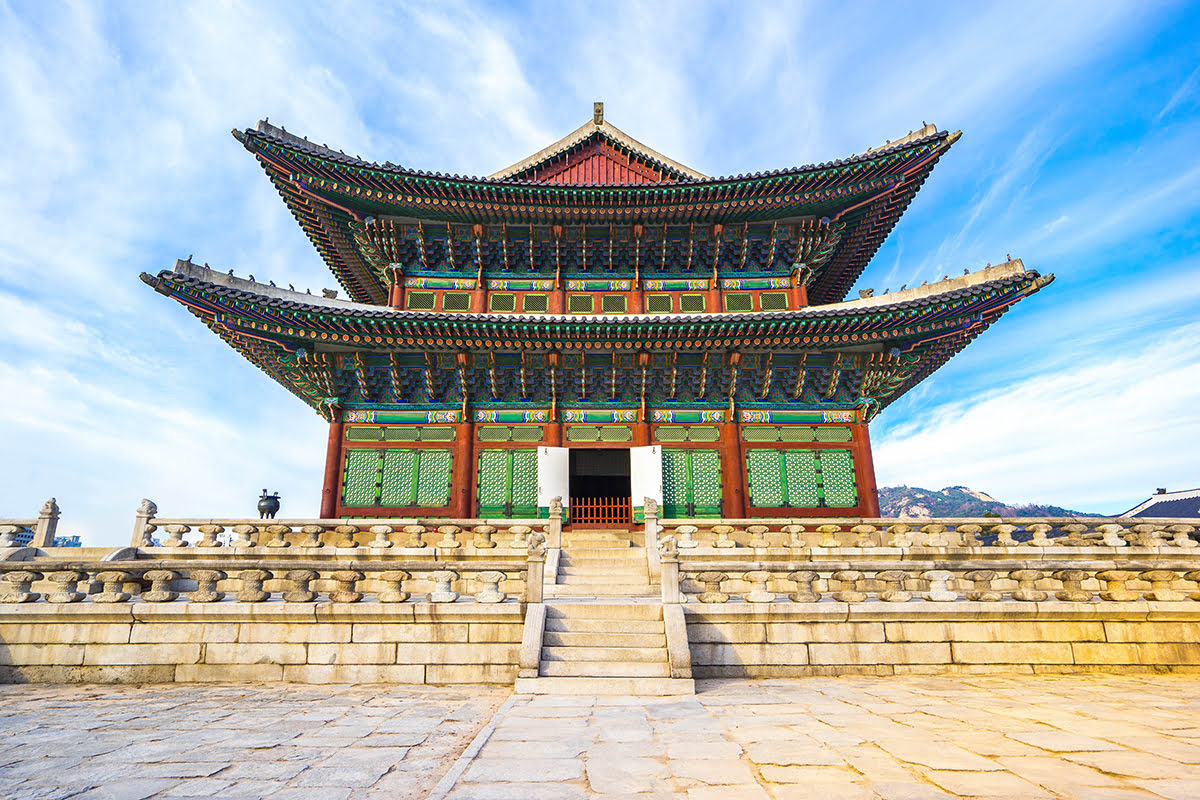
Gyeongbokgung Palace, Korea
The Gyeongbokgung Palace, the primary royal residence of the Joseon Dynasty, is a masterpiece of Korean architecture located in the heart of modern Seoul. Originally built in 1395, it is the largest and most significant of the "Five Grand Palaces," designed with a layout that harmonizes the majestic Bukak Mountain backdrop with symmetrical halls and tranquil pavilions. A primary reason to visit in 2026 is the Changing of the Guard ceremony, a colorful, rhythmic reenactment of 15th-century royal protocols held twice daily at the Gwanghwamun Gate. The palace is also home to the National Palace Museum of Korea and the National Folk Museum, offering deep insights into the nation's 500-year dynastic history and traditional daily life. Many travelers visit specifically to wear a Hanbok (traditional Korean dress), as doing so grants free admission to the grounds and provides a unique opportunity to photograph themselves against the iconic architecture of the Gyeonghoeru Pavilion, which appears to float over a scenic lily pond. In 2026, the palace remains a central hub for seasonal festivals, including the popular night viewing tours that illuminate the structures under the stars, blending the ancient soul of the kingdom with the energy of the surrounding metropolis.
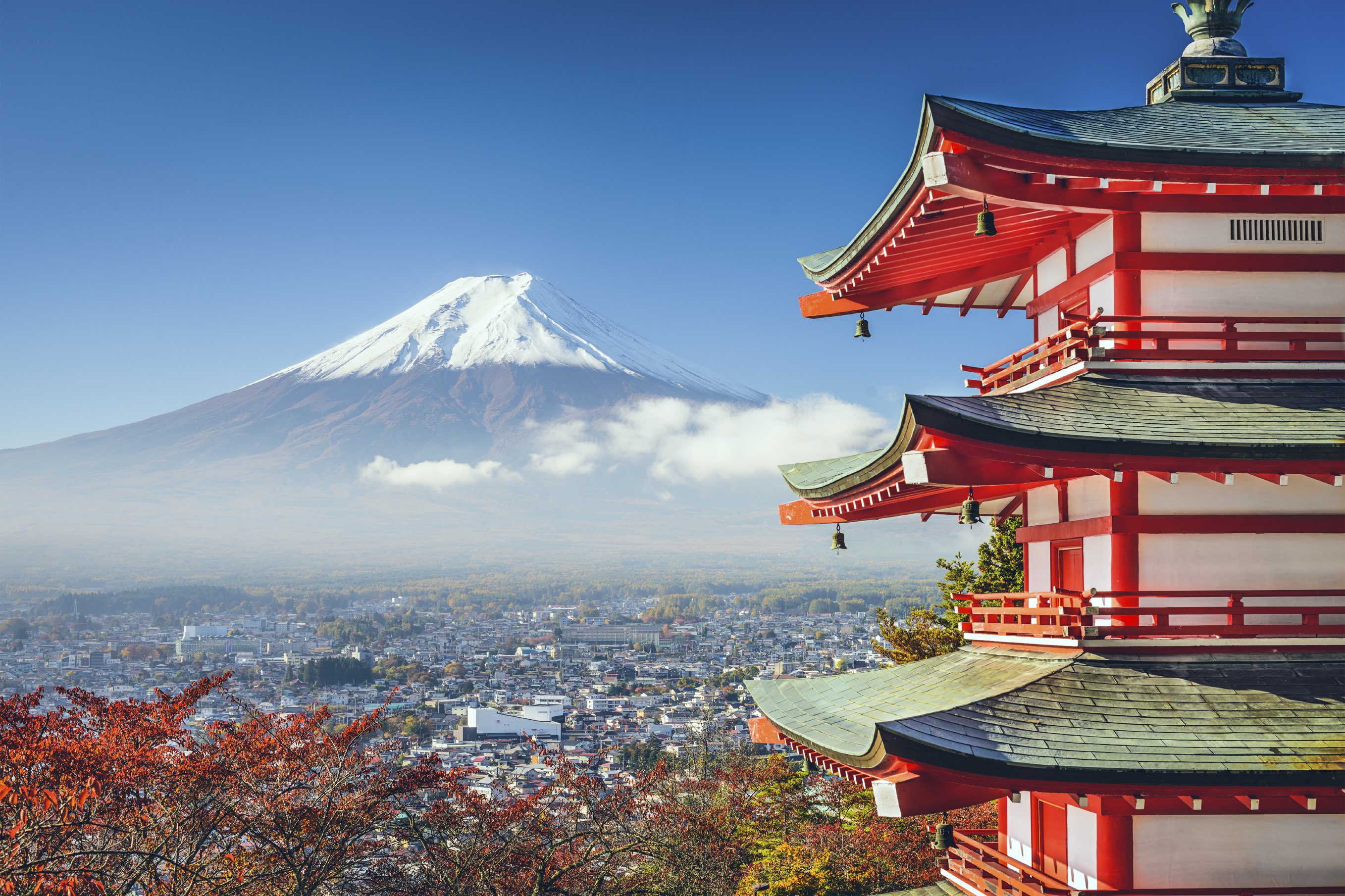
Mount Fuji, Japan
Mount Fuji, Japan’s highest peak at 3,776 meters, is a world-renowned travel destination celebrated for its near-perfect symmetrical volcanic cone and profound cultural significance as a UNESCO World Heritage Site. It is a premier location for travelers in 2026 because it offers a diverse range of experiences that blend natural beauty with spiritual history; visitors can embark on a challenging multi-day summit climb during the official summer season to witness the "Goraiko" sunrise, or enjoy more leisurely pursuits like relaxing in mineral-rich hot springs (onsen) in nearby Hakone. The surrounding Fuji Five Lakes region provides stunning seasonal backdrops, from the iconic cherry blossoms at Chureito Pagoda in mid-April to the fiery red autumn foliage at Oishi Park, making it a year-round haven for photography and nature enthusiasts. Accessible as a convenient day trip from Tokyo, Mount Fuji remains a must-visit symbol of Japan that continues to inspire with its "mirror Fuji" reflections on calm lake surfaces and its ancient shrines that have served as pilgrimage sites for centuries.
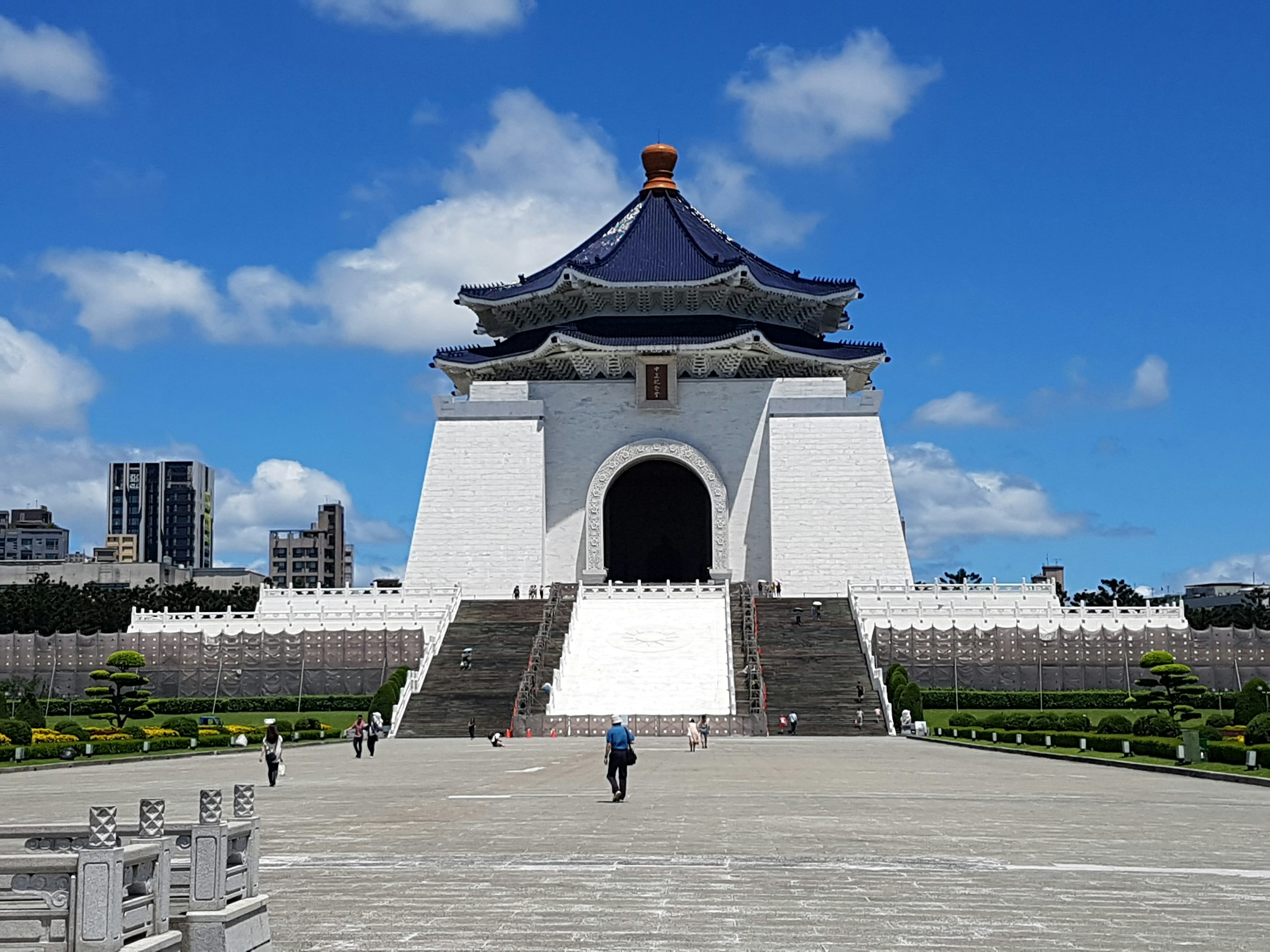
Chiang Kai-shek Hall, Taiwan
The National Chiang Kai-shek Memorial Hall is an essential stop for any traveler visiting Taipei, offering a profound look at Taiwan’s architectural grandeur and its complex political evolution. This magnificent structure, which stands 76 meters tall, is immediately recognizable by its brilliant white marble walls and an octagonal blue-tiled roof that symbolize the colors of the national flag and the values of liberty and equality. Beyond its striking exterior, the site is a major cultural hub where visitors can witness the hourly changing of the guard ceremony, a precise and disciplined display that remains a highlight for international tourists. The monument is nestled within 25 hectares of meticulously manicured gardens and Liberty Square, a vast public plaza that has transformed from a symbol of authority into a vibrant center for democratic assembly and performing arts. Whether you are exploring the ground-floor museum to learn about Taiwan's transition to democracy, feeding koi fish in the serene Yunhan Pond, or simply admiring the symmetrical beauty of the surrounding National Theatre and Concert Hall, the memorial provides a unique blend of history, tranquility, and civic spirit in the heart of the city.